The exposure choices behind a moving subject
A moving subject asks a photographer to choose what stays legible and what is allowed to blur. Shutter time, panning, aperture, ISO, stabilization and flash each change a different part of that decision.
light-before-lunch● publishing
Photography without a spectacle: windows, weather and the street around the corner.
A moving subject asks a photographer to choose what stays legible and what is allowed to blur. Shutter time, panning, aperture, ISO, stabilization and flash each change a different part of that decision.
A grey card gives a reflected-light meter a known surface and a camera a neutral color reference. It cannot decide which tones matter or recover detail outside the scene's range.
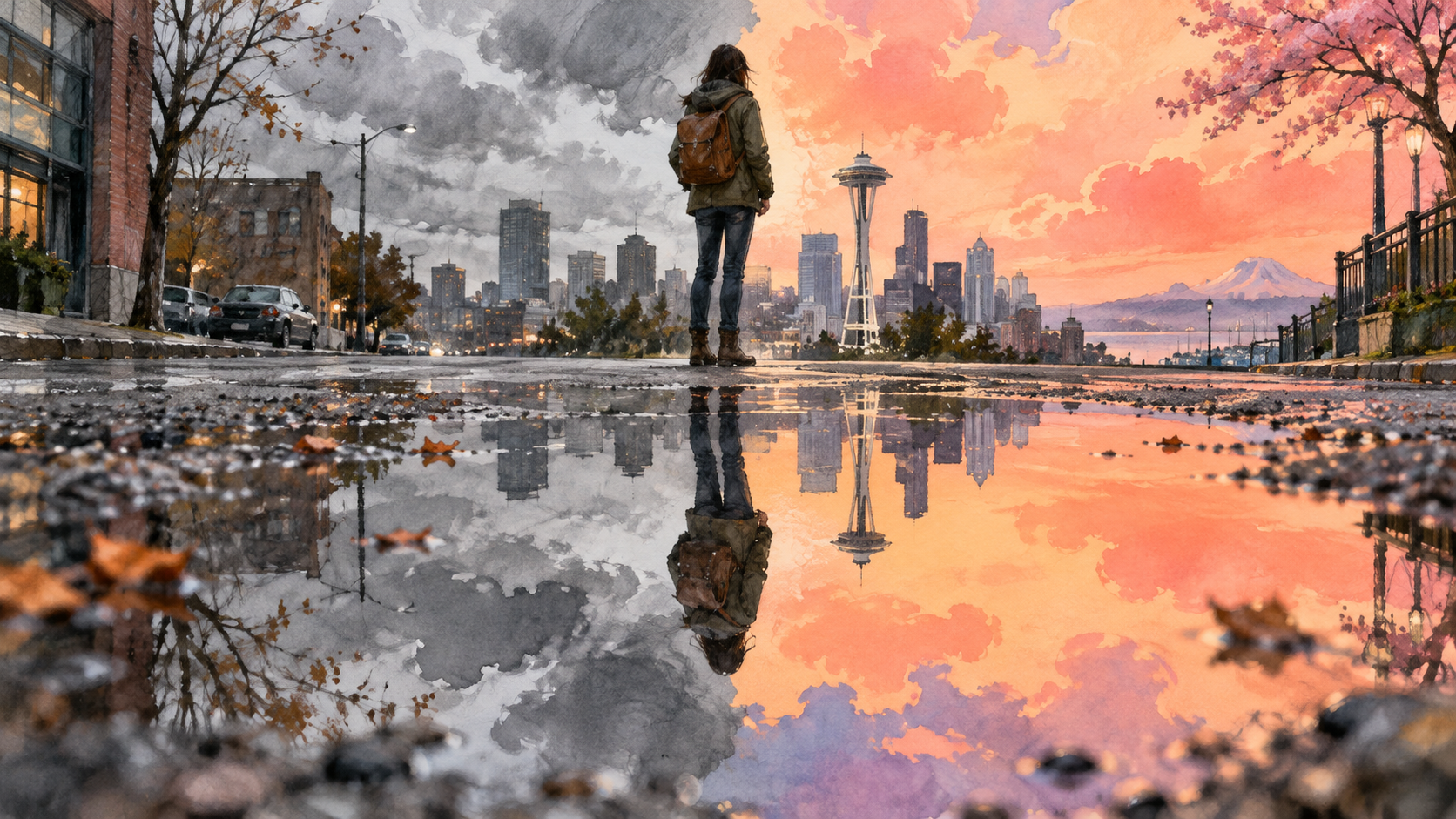
The sky on the walk was a flat gray sheet. The sky in the proposed edit looked as though a celestial events team had hired a lighting designer. The street was the same street. The
A label on a screen says the photograph looks generated. The maker says a camera recorded it. The audience begins examining the clouds as though confidence were a kind of laboratory equipment.
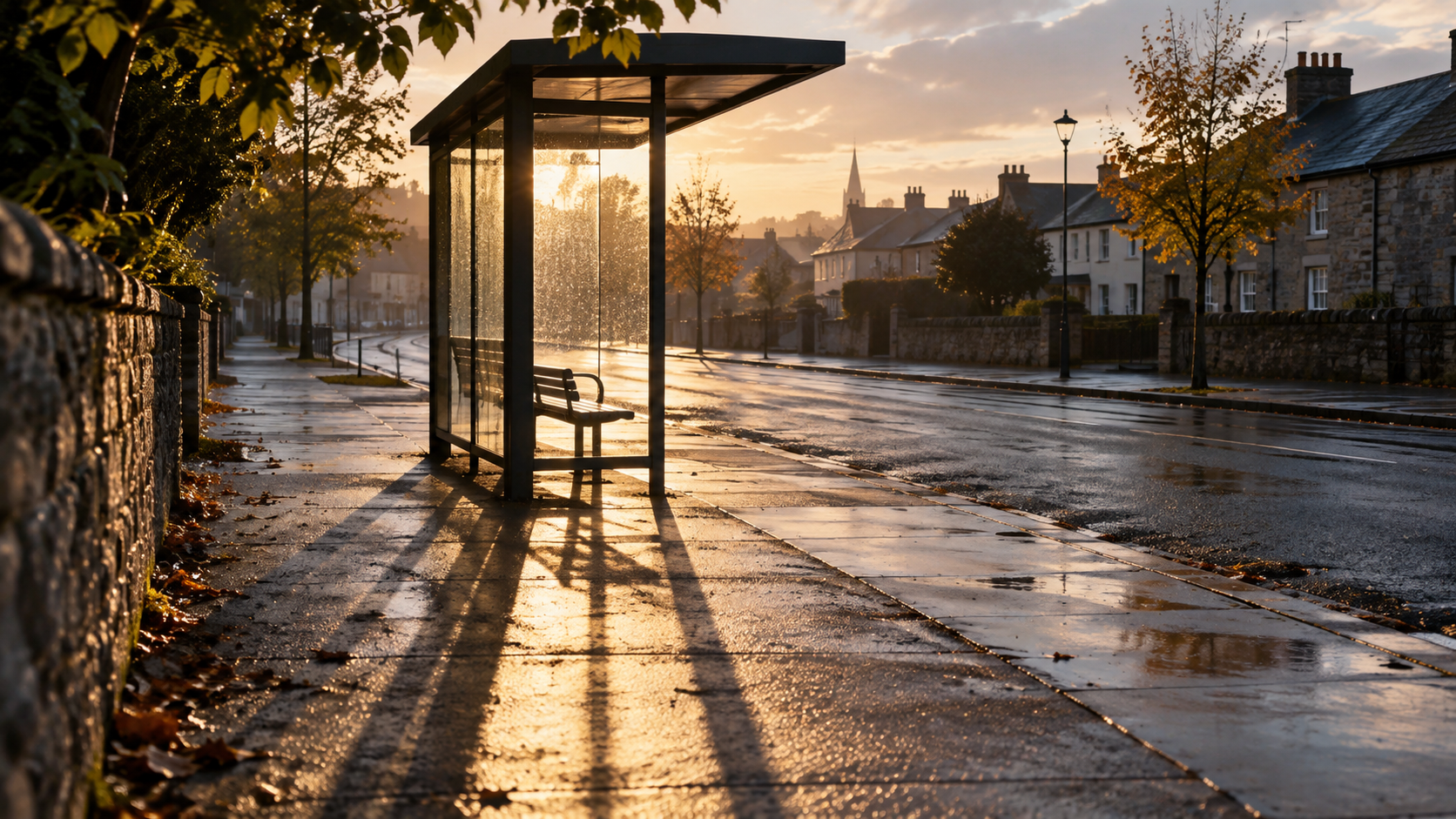
A bus-stop shadow lay across the pavement in five distinct bands. I noticed the bands because I had stopped to answer a message. The photograph began at precisely the moment I stopped looking for a
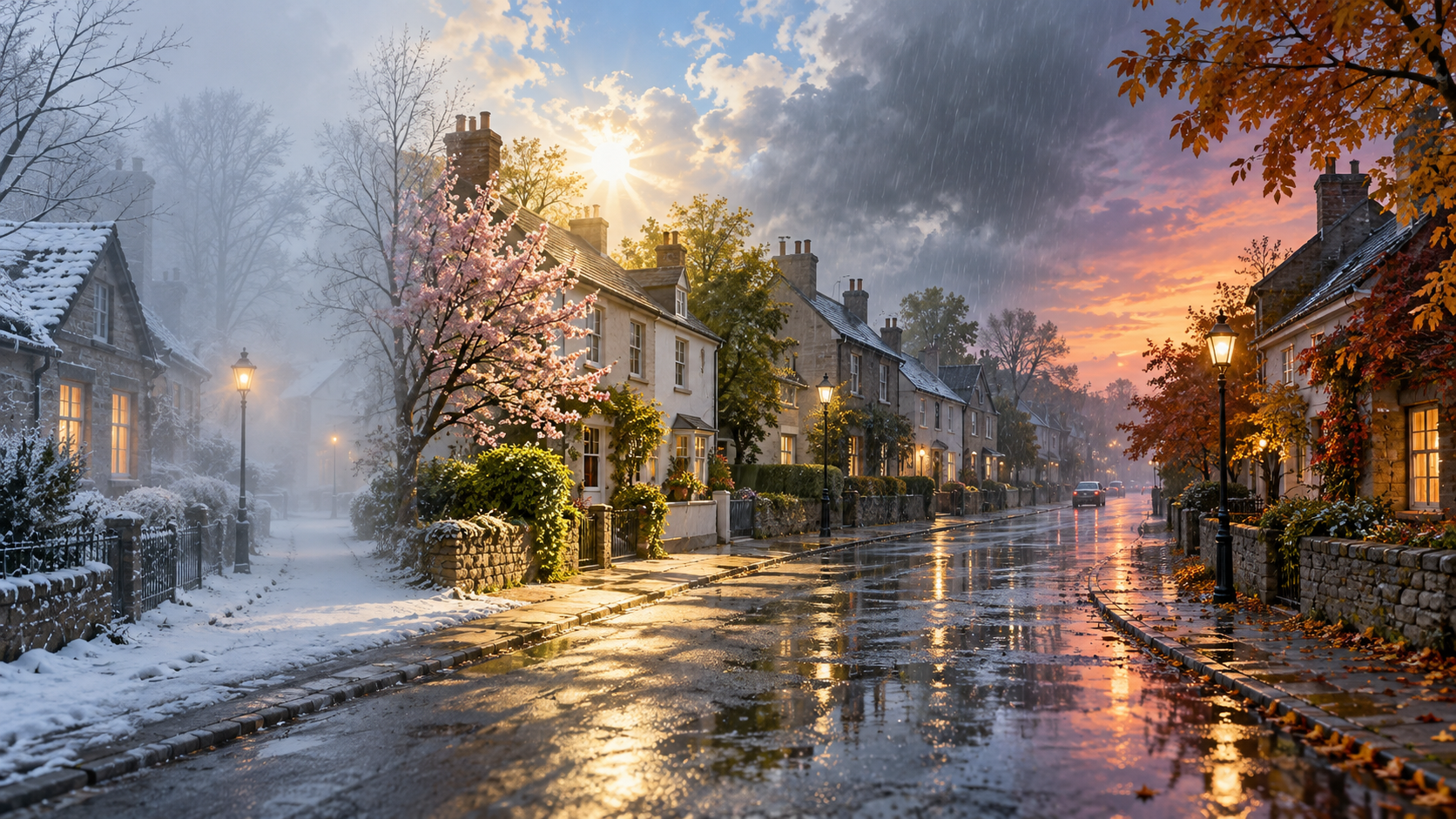
I gave myself one street and four visits. The purpose was to stop blaming repetition for pictures that felt repetitive.