The exposure choices behind a moving subject
A moving subject asks a photographer to choose what stays legible and what is allowed to blur. Shutter time, panning, aperture, ISO, stabilization and flash each change a different part of that decision.

About the author
I am a Seattle photographer who works part-time in exhibition production and spends many mornings walking the same handful of streets. I became interested in photography through small observations: reflected windows, temporary shadows and the way rain changes the apparent color of an ordinary wall.
Light Before Lunch is an ongoing neighborhood notebook rather than a collection of spectacular destinations. I write about attention, revisiting familiar places, editing a small group of pictures and allowing weather to change a plan. My photographs often include everyday public spaces and very little action.
I favor a slow look over a long equipment list and describe techniques through the questions they help me answer. Outside photography I enjoy drawing, public libraries and making prints small enough to hold. My favorite walks frequently end in the same café, where the windows offer another subject when the street seems finished.
A moving subject asks a photographer to choose what stays legible and what is allowed to blur. Shutter time, panning, aperture, ISO, stabilization and flash each change a different part of that decision.
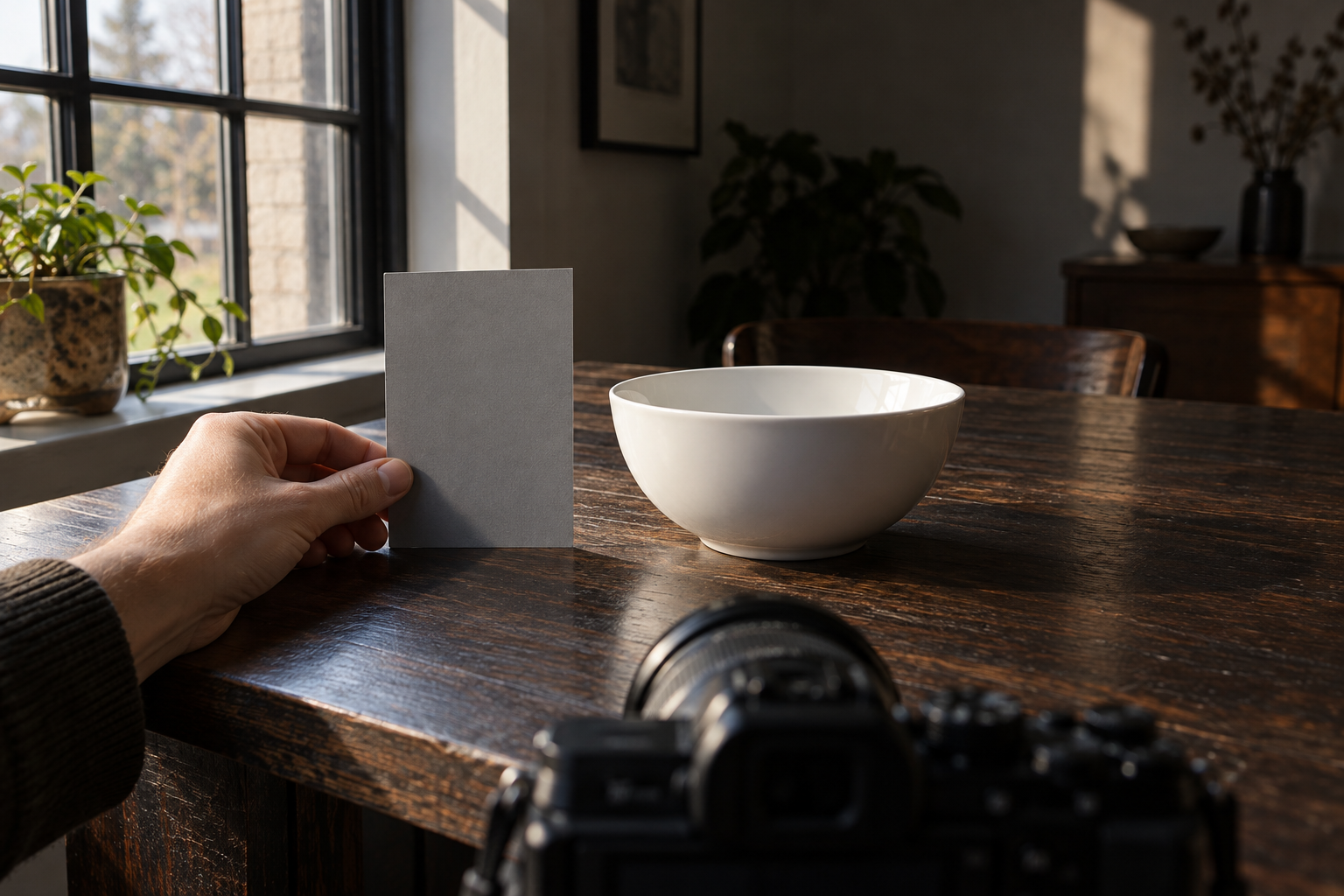
A grey card gives a reflected-light meter a known surface and a camera a neutral color reference. It cannot decide which tones matter or recover detail outside the scene's range.
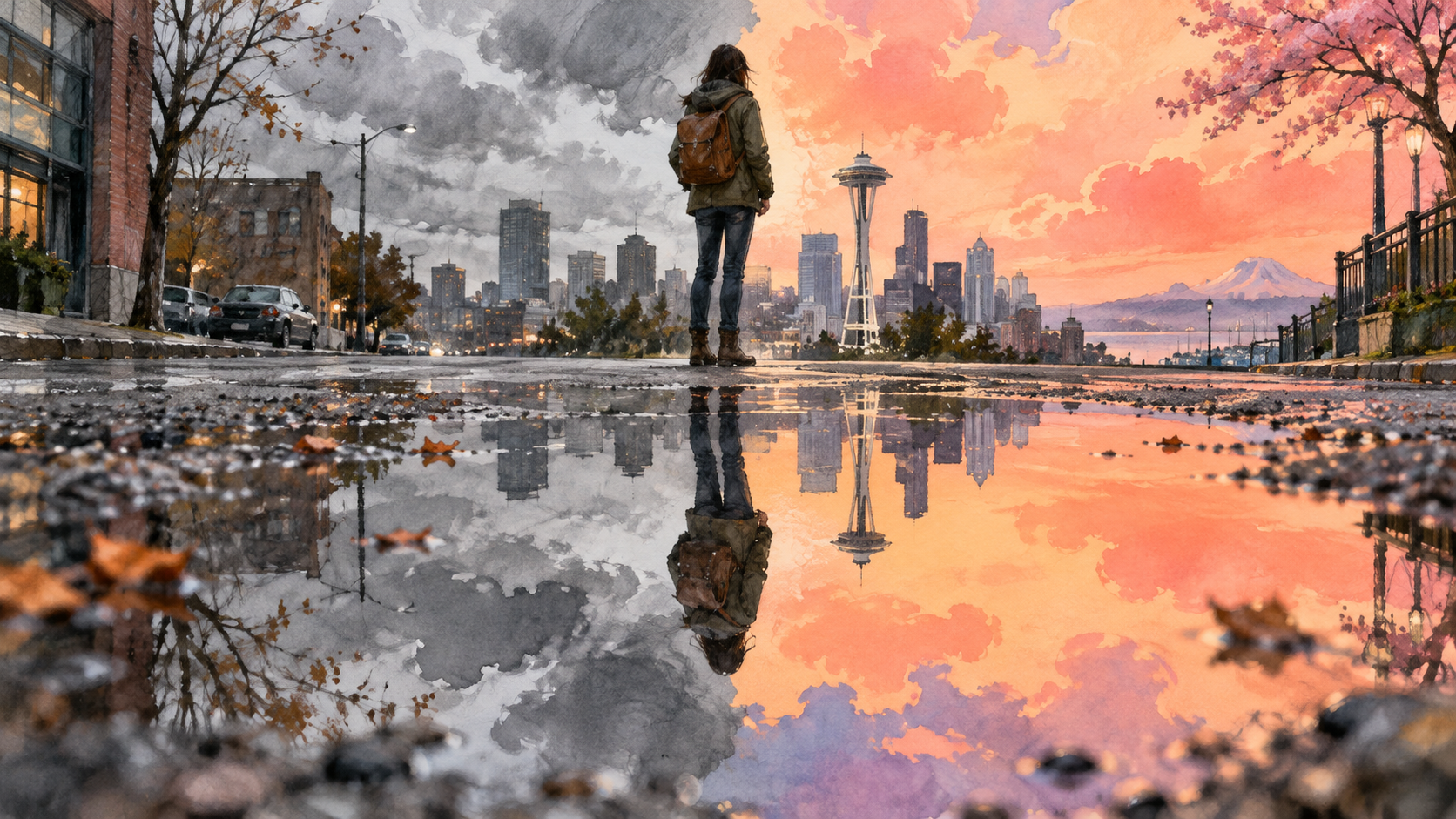
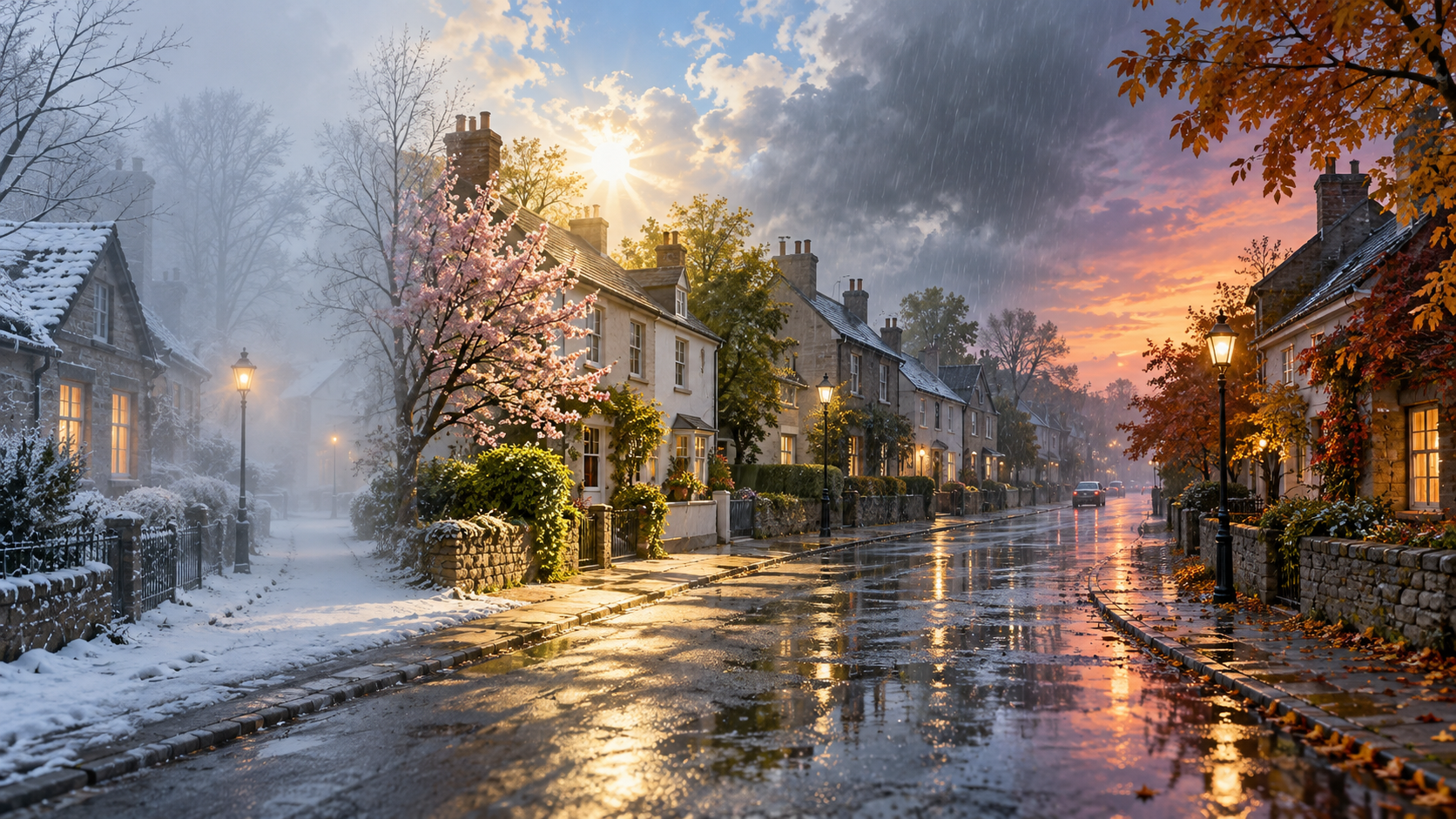
The sky on the walk was a flat gray sheet. The sky in the proposed edit looked as though a celestial events team had hired a lighting designer. The street was the same street. The
A label on a screen says the photograph looks generated. The maker says a camera recorded it. The audience begins examining the clouds as though confidence were a kind of laboratory equipment.
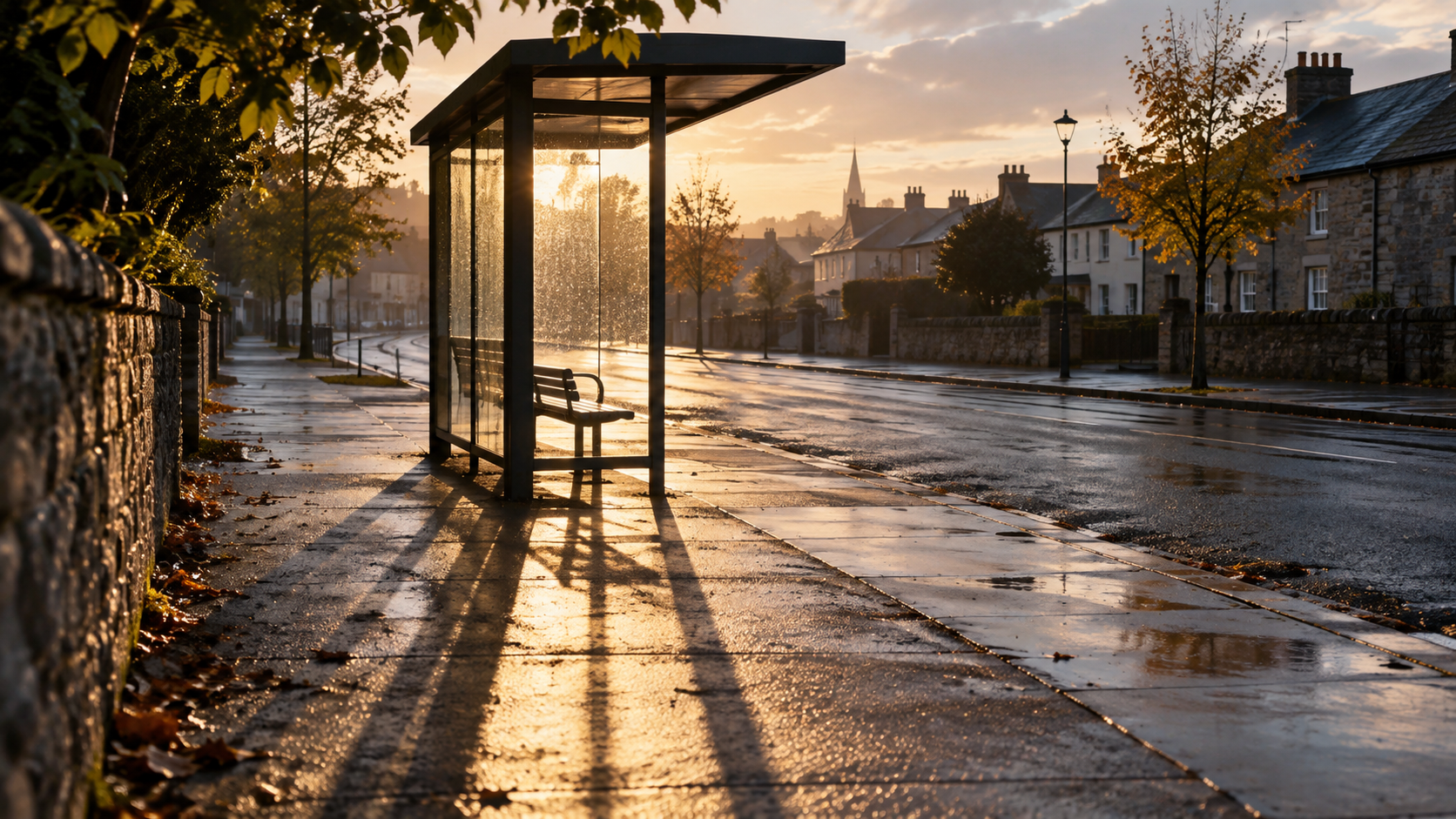
A bus-stop shadow lay across the pavement in five distinct bands. I noticed the bands because I had stopped to answer a message. The photograph began at precisely the moment I stopped looking for a
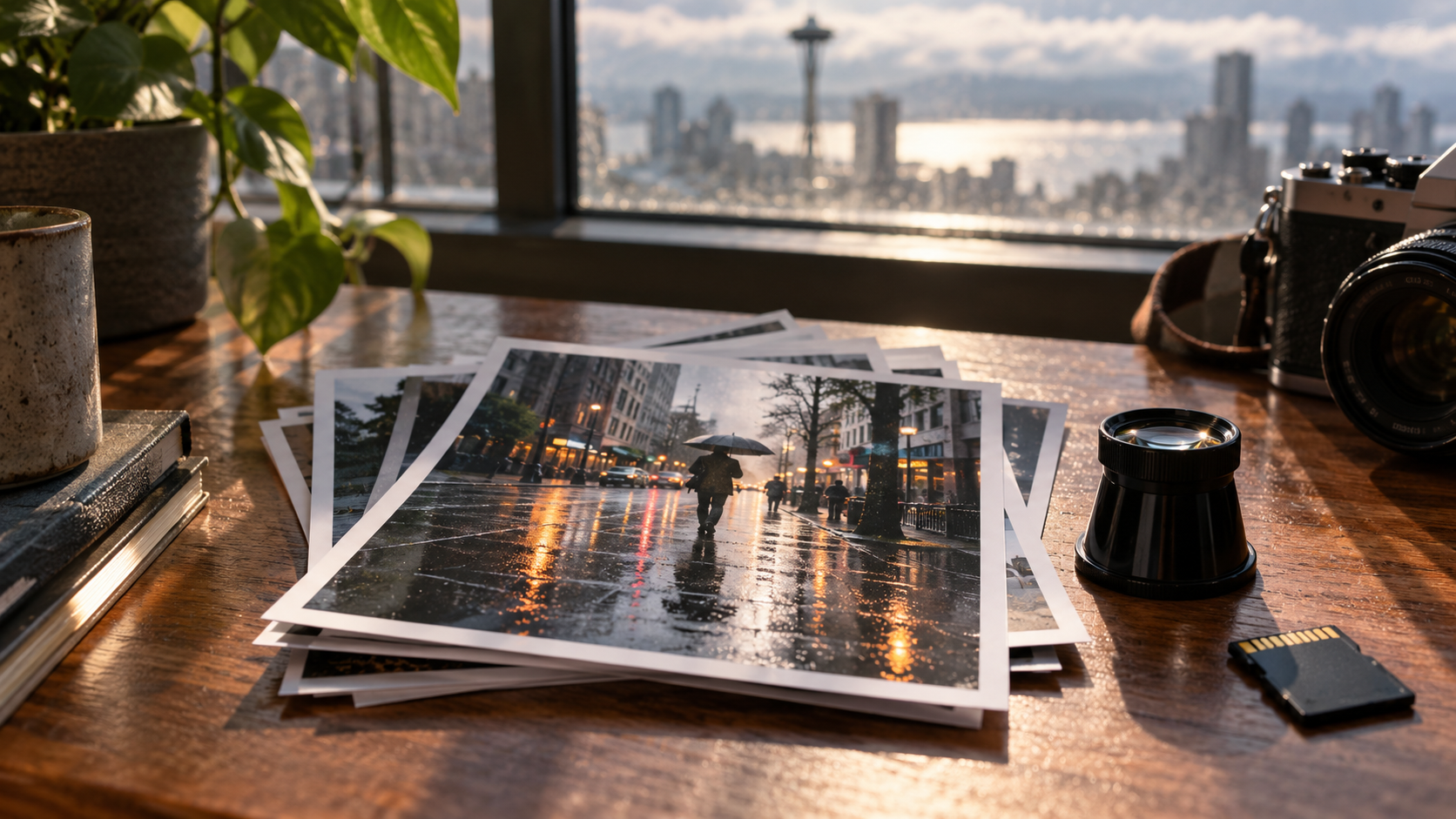
I gave myself one street and four visits. The purpose was to stop blaming repetition for pictures that felt repetitive.