A label on a screen says the photograph looks generated. The maker says a camera recorded it. The audience begins examining the clouds as though confidence were a kind of laboratory equipment.
In this week's photography questions thread, a contributor described an account dispute involving alleged AI content. That is an account of a dispute, not a verified finding about what the platform did or why. I am not going to turn it into an accusation against a named company. What interests me is the broader habit of treating a verdict label as though it witnessed the scene.
When I make a neighborhood photograph, the picture comes out of a small sequence of decisions. I noticed something. I stood somewhere. I exposed a frame. Later I selected and edited it. Some parts of that sequence can leave records. Other parts live in a notebook or in my memory. A claim about the picture should explain which part it is actually evaluating.
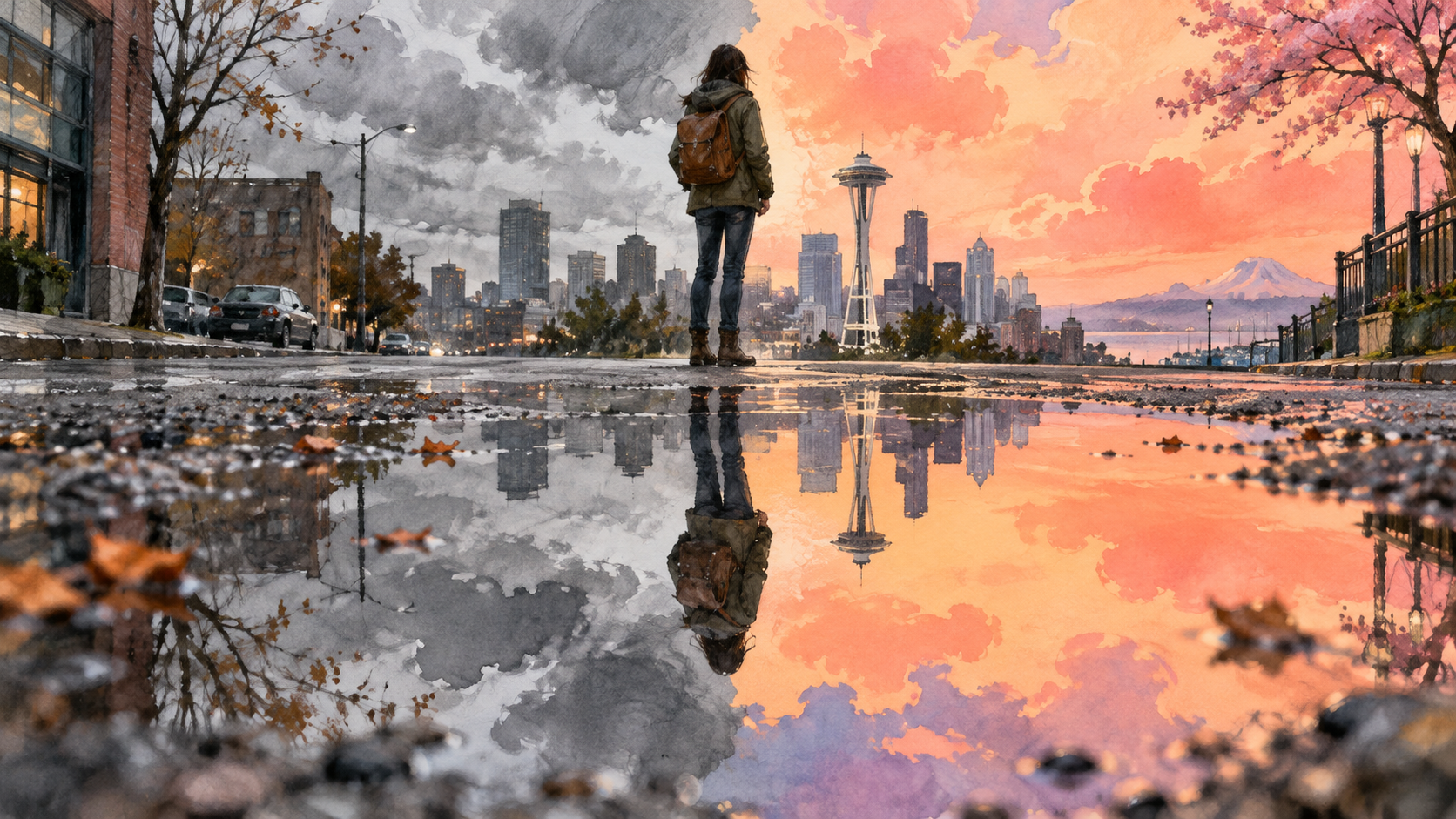
The rain on a Seattle pavement can look improbable when a reflection is particularly neat. A shadow can arrange itself so elegantly that a viewer suspects design. These observations may be reasons to look more closely. They are not, by themselves, a reliable account of the process that produced the file.
An accusation needs a path back to the evidence
I want a review process that can describe the reason for a concern. What feature prompted the question? What information could help resolve it? Is there a way for the maker to supply relevant material? Who examines the disagreement when the first label is contested?
This is my preference for a fair process, not a claim that any particular detector fails at a particular rate. I have not tested every system, and a forum thread would not establish that rate anyway. The principle is simpler: a consequential decision should be explainable enough for an affected person to understand what is being disputed.
There is a parallel responsibility for the maker. If a picture includes generated material, describing it clearly can spare the audience a needless guessing game. If a photograph is offered as a record of an event, the editing decisions should fit the claim. Different uses create different expectations. A playful illustration and a documentary picture do not ask the viewer to trust the same thing.
What I dislike is the instant jump from uncertainty to personal accusation. The image looks odd, therefore the maker is dishonest. The maker sounds confident, therefore the process must be authentic. Both moves replace an inquiry with a verdict that feels satisfying to say.
Keep something more useful than indignation
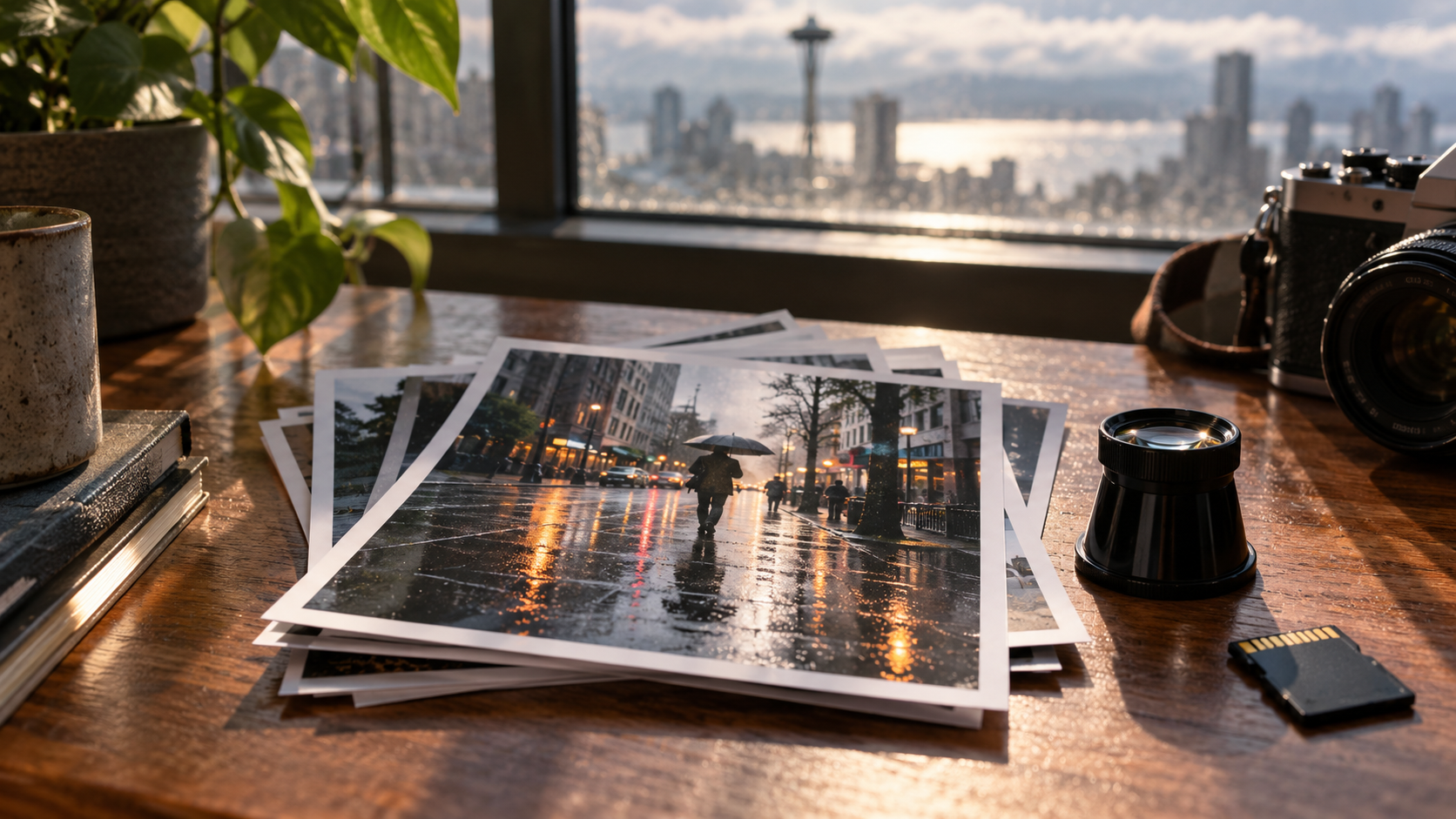
For my own small practice, I value the original files, a coherent selection history and notes about the walk. They help me revisit why I chose a picture and what I changed. They may also be useful context if a legitimate question arises. I would not pretend they form a magical proof bundle for every possible dispute.
The notebook still matters because it keeps the picture connected to an act of looking. The bus stop had a shadow that morning. The reflection changed when a car passed. I came back later and found that the light had gone. That sequence is interesting to me even if it never impresses a classifier.
A review tool can provide a signal. A person can ask a question. Neither should be promoted silently into a witness with complete knowledge of what happened.
If we want to argue about authenticity, let us at least keep the claim, the evidence and the uncertainty in the same conversation. The loudest label has no special view of the street.
A thought worth keeping?